The Skeleton Coast is one of Earth's most remote and hauntingly beautiful places. Named for the whale bones and shipwrecks that litter its shores, this fog-shrouded coastline offers otherworldly landscapes and unique desert-adapted wildlife.
The Skeleton Coast earned its name honestly. Hundreds of ships have met their end along this treacherous coastline, where cold Benguela currents meet the Namib Desert in a collision of fog, wind, and wave. Whale bones from the old whaling industry and rusting hulks add to the melancholy beauty.
Shipwrecks and whale bones
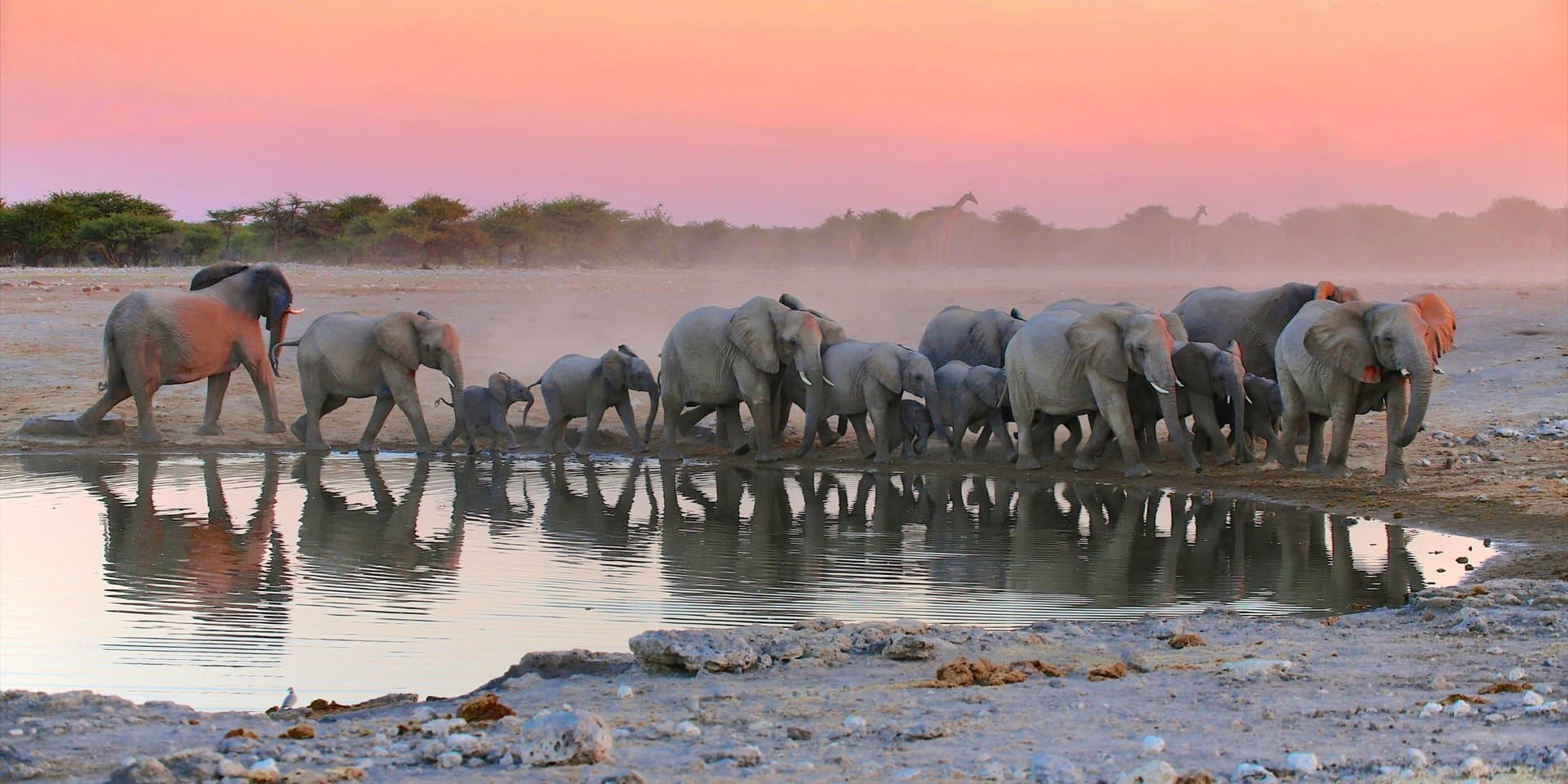
Yet this harsh environment supports remarkable life. Cape fur seal colonies number in the hundreds of thousands, their rookeries providing hunting grounds for brown hyenas and jackals. Desert-adapted lions have learned to prey on seals, an adaptation seen nowhere else on Earth. Elephants trek to the coast to supplement their diet with minerals.
Access to the Skeleton Coast's most remote reaches requires fly-in safaris, which have opened this wilderness to adventurous travelers. Landing on gravel airstrips, guests explore by 4x4, encountering landscapes that shift from dune fields to basalt plains to coastal fog banks within a single day's drive.
The coast's otherworldly atmosphere attracts those seeking something different from traditional safari. Walking among rusted shipwrecks, watching seals surge through Atlantic swells, and camping in one of Earth's loneliest places creates memories unlike any conventional wildlife experience.
Why Visit
Highlights of Skeleton Coast
Shipwrecks and whale bones
Desert-adapted wildlife
Dramatic landscapes
Cape fur seal colonies
Remote wilderness